December 9, 2022
Austral Group Team
Innovation for Social Inclusion
Monica Villanueva has worked with people with disabilities, which enriched her perspective.
Read article




Tips for an Enjoyable and Respectful Experience
At Austral Group, we facilitate global business programs year-round in diverse destinations, bringing together students and professionals from around the world. Many countries we visit throughout the year celebrate Ramadan, the holy month of fasting, prayer, and reflection observed by Muslims worldwide.
Some of our popular destinations that observe this include the UAE, Morocco, Indonesia, Malaysia, and India, alongside others that offer varying degrees of observance.
Supporting participants through these unique cultural experiences is at the core of what we do. Whether your global immersion program is in a country observing Ramadan or you’re traveling with students who observe it themselves, it’s important to understand how to balance cultural awareness, trip logistics, and inclusivity.
Here are our expert insights to help you prepare for these experiences and make your global business programs enriching for all involved.
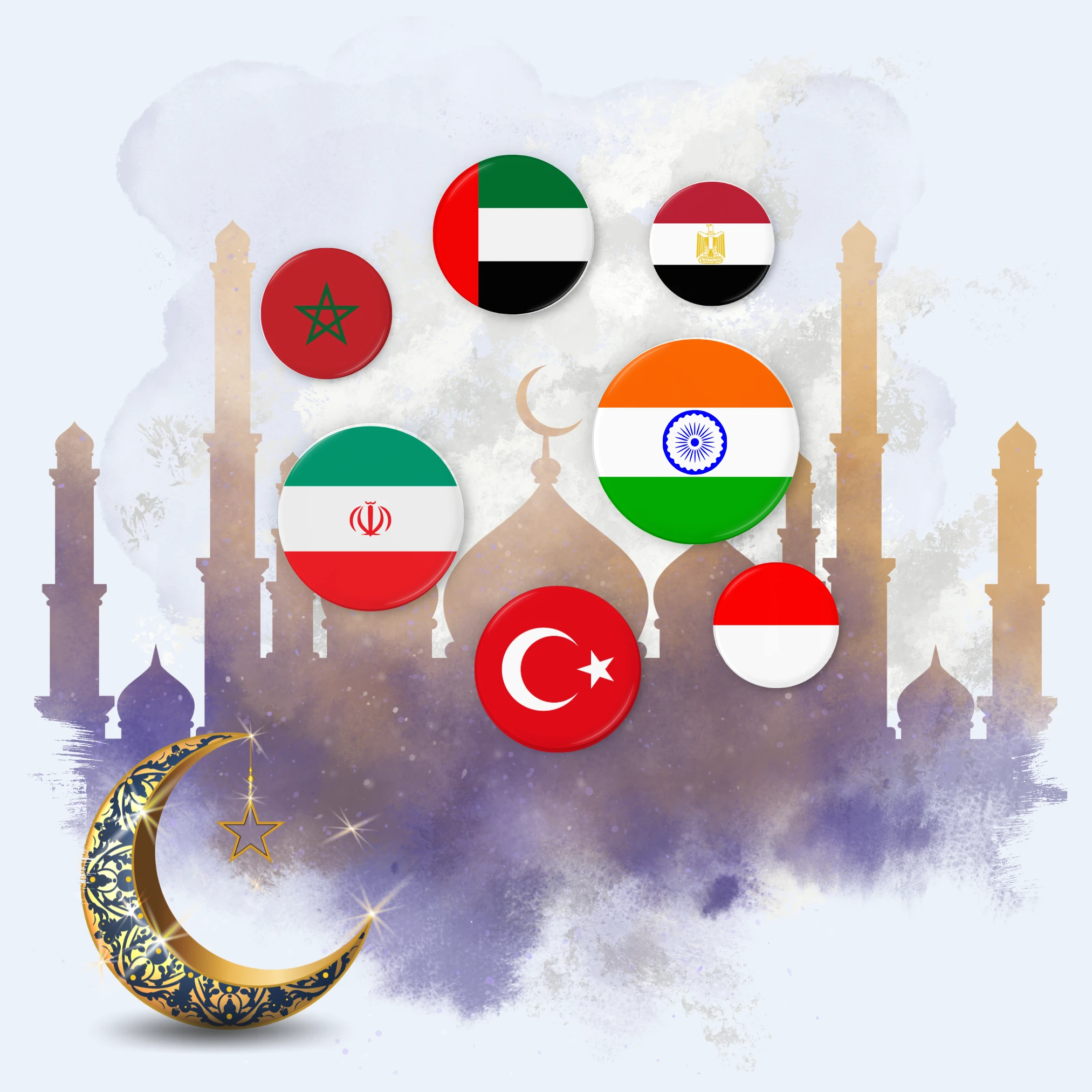
Visiting a Muslim-majority country during Ramadan is a unique cultural experience. However, it requires sensitivity and understanding of local customs. Here’s how to make the most of your trip:
During Ramadan, Muslims fast from sunrise to sunset, breaking their fast with an evening meal called “Iftar.” The month emphasizes community, spirituality, and charity. While the rhythm of life may change during Ramadan, visitors can use these shifts as an opportunity to better understand the culture.
During Ramadan, the daily pace in Muslim-majority countries may differ. Our expertise in program planning ensures your experience remains seamless while respecting local customs. Communicating with your program manager and understanding shifts that may impact your program is key. For example, businesses may open later, restaurants are often closed during the day, and some attractions might have shorter operating hours. Be flexible with your itinerary and communicate these adjustments to your students before travel.
Muslims fast from dawn to sunset during Ramadan, refraining from food, drink (including water), and other physical needs. While you’re not expected to fast, it’s courteous to avoid eating, drinking, or smoking in public during daylight hours. Many restaurants may remain closed until Iftar (the fast-breaking at sunset), so plan your meals or seek out establishments catering to non-fasting individuals.
Respecting local traditions is essential during Ramadan. Here are some quick tips to share with your students and colleagues:
Ramadan offers a unique window into a culture’s values and traditions. Encourage participants to ask questions and immerse themselves. Whether it’s through observing rituals or having open discussions with locals or business leaders, the lessons learned during Ramadan offer profound insights into cultural awareness and global business practices.
While some of our immersion programs include destinations that celebrate Ramadan, most occur in non-Muslim regions during this holy month. Traveling during Ramadan as a Muslim can present unique challenges. Students who observe Ramadan while traveling abroad require a thoughtful, proactive approach from the University’s faculty and staff, as well as your travel partner.
Since fasting students eat at pre-dawn (Suhoor) and break their fast in the evening (Iftar), it’s essential to accommodate these meal times. Offer flexible scheduling or ensure that Suhoor or Iftar meals are available near the accommodation. Researching restaurants that offer halal food close to the hotel will be key. Ask your program manager to help you with this ahead of time, and know if the hotel where you are staying offers 24-hour room service. The local Program Coordinator should also be able to point you in the right direction.
One of the highlights of Ramadan is the communal breaking of the fast during Iftar. Many cities host large public gatherings or special meals in restaurants that you can partake in. It’s a way to engage with local culture and community.
Fasting from sunrise to sunset can be physically taxing, especially in warmer climates or during intensive schedules. Organize sufficient breaks throughout the day and, when possible, ensure access to quiet areas where fasting students can rest or pray.
Travel can dehydrate, especially if you’re flying or visiting hot climates. Even though hydration isn’t possible during fasting, drinking plenty of water during Suhoor and Iftar will be key. Keep an eye on those students fasting to ensure they can manage the demands of the day and look for signs of dehydration.
Educate the rest of the group about Ramadan practices so they can show respectful support and avoid unintentional discomfort. Small acts like refraining from discussing meals in the presence of fasting students or adjusting group activities can make an enormous difference.
A simple “Ramadan Mubarak” (Blessed Ramadan) or “Ramadan Kareem” (Generous Ramadan) can go a long way in showing respect and appreciation for the culture.
Ramadan can be physically demanding for those fasting, and this might reflect in slower service or shorter tempers, particularly as the day wears on. Approach every situation with understanding—you’re likely to gain more positive experiences in return.
Use the experience to celebrate the diversity within your group. Encouraging cross-cultural understanding and creating moments of shared appreciation—like attending Iftar together—enhances the community experience core to any international immersion program.

Ramadan is a time of profound meaning and cultural richness that offers incredible opportunities for learning during global business immersion. By preparing ahead, respecting customs, and fostering inclusivity, you can transform these experiences into moments of growth and understanding for all participants.
At Austral Group, we’re passionate about learning through travel and celebrating global cultures. Whether you’re planning a full immersion in a Muslim-majority country or looking to support fasting students traveling abroad, our expertise ensures your program is seamless and enriching.
With years of experience facilitating immersive programs in countries like Morocco and the UAE, we understand the intricacies of navigating diverse cultural landscapes. Our programs are designed to reflect respect, inclusivity, and deep cultural appreciation, ensuring that every participant—regardless of background—feels supported.
.webp)
.webp)
.webp)


.svg)