London Business School’s Risk Management Approach to Global Experiences
A Conversation with Robert Pinkerton from London Business School
As we celebrate 20 years of delivering transformative global experiences, we are reaching out to our longstanding business school partners to gather valuable insights on program planning and delivery to share with the higher education community.
We take this opportunity to highlight the importance of risk management in international immersion programs. This interview was conducted by Mónica Villanueva, Austral Group Risk and Safety Manager, to explore the risk management structure from a large-scale mobility perspective of students worldwide from the LBS Experiential Learning team.
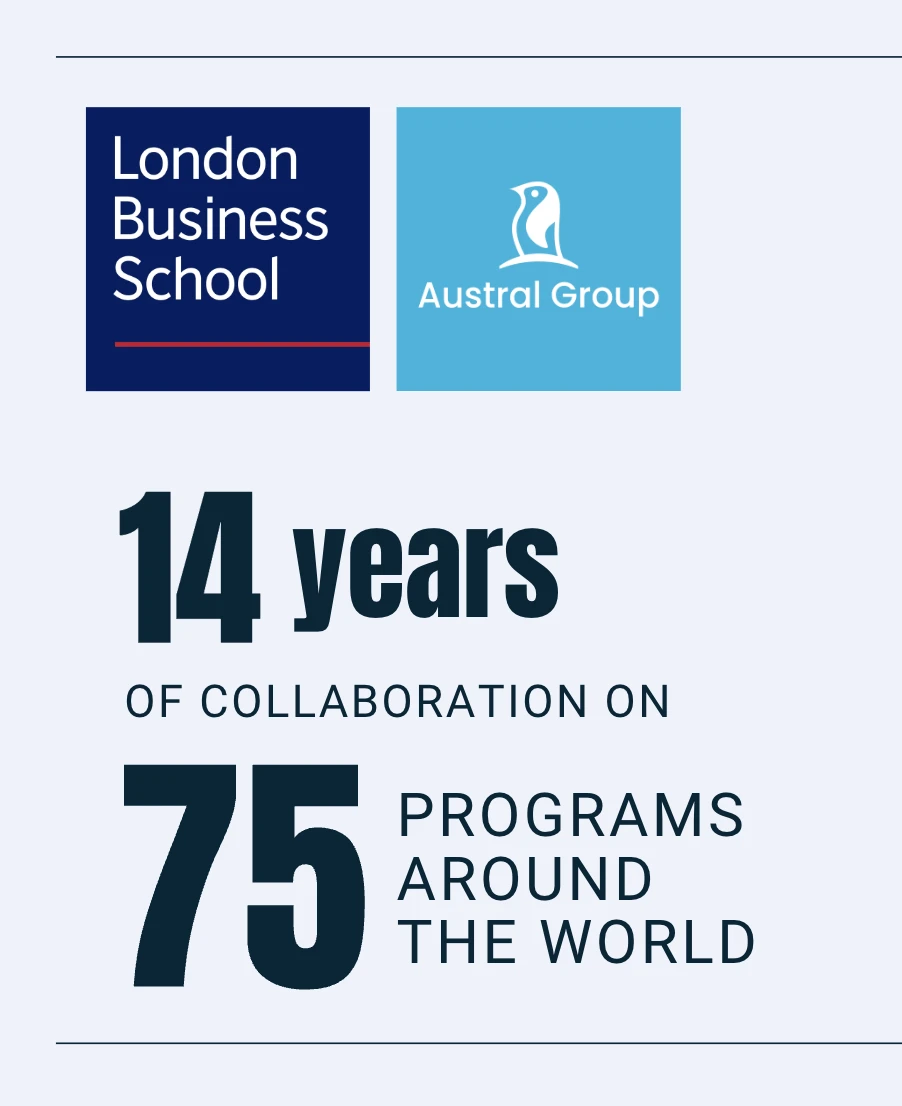
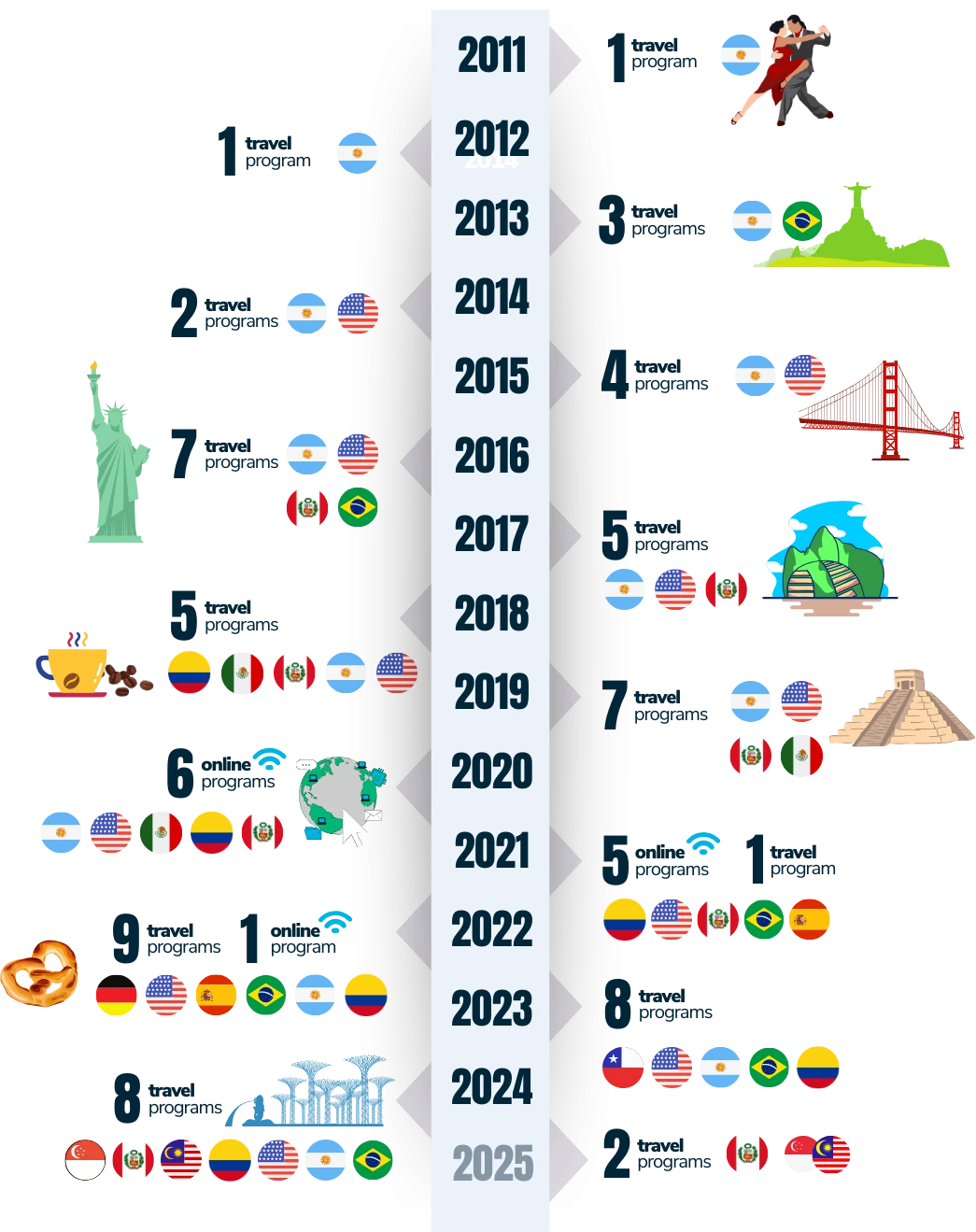
Austral Group has proudly collaborated with London Business School to deliver exceptional international immersion programs since 2011. From seamlessly navigating logistical complexities to ensuring safety through rigorous destination and vetting service providers, our partnership has grown and supported making these global journeys transformational.
We sat down with Robert Pinkerton, Associate Director of Experiential Learning at London Business School (LBS), to discuss the evolving landscape of risk management in education abroad. With years of experience managing international programs, Robert provided valuable insights into how LBS ensures student safety while maintaining enriching educational experiences.
LBS is renowned for its commitment to delivering world-class education rooted in real-world experiences. Their Global Experiences programs immerse students in week-long, faculty-led journeys to various destinations around the globe, are mandatory for most students, and offer a unique blend of cultural exposure, practical learning, and professional growth. However, such large-scale international programs demand a robust risk management approach. LBS has developed a sophisticated framework to ensure student safety while maintaining the educational richness of their experiences.
A Career in Global Business Education
Robert has been with LBS since 2016, and in his current role, he has led on operational planning for the Global Experiences program since 2019, just before the pandemic reshaped international travel. His role spans strategy and planning, financial management, compliance, supplier relations, and, crucially, risk management in a global context. LBS’s experiential learning team partners with world-class faculty to deliver immersive, week-long programs in diverse locations worldwide. Managing risk is a collective effort, and Robert has played a key role in refining protocols to ensure student safety while maintaining enriching educational experiences.
Assessing Global Risk: A Multi-Layered Approach
The backbone of LBS’s global programs is its meticulously designed risk management system. When evaluating potential destinations, LBS follows a structured risk assessment approach, leveraging expert partners, government advisories, and real-time intelligence.
“We rely on various tools and resources to assess risks,” Robert explained. “Our primary risk management and security assistant provider, produces detailed intelligence reports for every country. They assess risk levels across multiple categories such as healthcare, political unrest, and transportation.”
These intelligence reports allow LBS to get a quick overview of risk factors associated with a destination. However, their approach does not stop there.
“The security assistant provider also has specialist staff we can consult for deeper insights. If we need real-time updates from the ground, they help us connect with security professionals who provide immediate, localized information,” Robert added.
LBS also integrates government advisories into its risk analysis:
“We pay close attention to the UK Foreign, Commonwealth & Development Office (FCDO) guidance. They offer clear insights into risk factors and regions to avoid. During COVID-19, this was particularly essential as policies changed frequently regarding where travel was permitted and what restrictions applied.”
In addition to formal risk intelligence, on-the-ground insights from travel partners like Austral Group play a crucial role in decision-making.
“Our Destination Management Company partners, like Austral Group, provide us with real-time perspectives. They help us identify logistical challenges such as local disruptions, upcoming political events, or operational risks that may not yet be reflected in official advisories.”
Seasonal and environmental factors also need to be taken into account.
“It’s not just about security risks. We also consider seasonal hazards like extreme weather, potential natural disasters, and even public holidays that could disrupt our plans. For example, May 1st is a widely recognized holiday that often coincides with political demonstrations in several countries,” Robert noted.
Finally, ensuring that all destinations align with the institution’s insurance and liability frameworks is critical.
“Our group travel insurance has certain exclusions, meaning we have to ensure that our destinations are fully covered within the policy framework. We don’t just look at what we can control—we also assess whether our insurance would effectively cover students in the event of an emergency.”
By integrating intelligence from multiple sources, LBS builds a comprehensive risk profile for each destination, allowing them to make informed decisions and prepare accordingly.
This multilayered structure reflects LBS’s overarching philosophy on risk management—a balance of preparation, real-time adaptability, and collaboration with trusted partners.
“Flexibility remains a key component of our approach,” explains Robert Pinkerton. “We program things meticulously, but we’re always ready to pivot when circumstances demand it—whether due to political unrest, health concerns, or other emerging challenges.”
Adapting to Emerging Risks and the Post-Pandemic World
The COVID-19 pandemic significantly altered the risk landscape for global education, leading LBS to reevaluate its operational strategies.
“Since the pandemic, we’ve simplified our operational model for global experiences. We previously had separate experiences for our MBA, Graduate Masters and Leadership students, which were structured differently, with varying durations. And so what we’ve done since is create a single global experience model,” Robert explained.
Student attitudes toward risk have also evolved. However, according to Robert, their enthusiasm for travel remains strong.
“Around 90% of LBS students are international and very used to traveling. The pandemic hasn’t left a lasting reluctance among them—if anything, we faced pressure to resume global experiences as soon as possible. These programs remain a highlight of the LBS experience,” he explained.
The Role of the security assistance provider and Austral Group in Crisis Management
When unexpected risks materialize during a program, both our security assistance provider and Austral Group play key roles in ensuring a smooth response.
“Preparation is key. Before we travel, we establish which local medical services are preferred by our affiliated medical provider. This ensures students don’t face financial or logistical barriers if they need care,” Robert explained.
As LBS’s on-the-ground travel partner, we ensure smooth logistics and safety compliance.
“Austral Group helps us minimize risk by ensuring vetted transportation, safe accommodations, and experienced guides. When incidents occur, their local knowledge is invaluable,” he emphasized.
Response efforts should correspond to the severity of each situation.
“If a student requires hospitalization, our medical provider coordinates treatment and ensures financial coverage through insurance. If there is a security concern, our security assistance provider can help assess whether it’s an isolated event or an evolving risk. Meanwhile, Austral Group provides translation services and logistical support, ensuring students and staff are never navigating a crisis alone,” Robert detailed.
Well-defined and communicated incident escalation procedures
Beyond monitoring external risks, LBS enhances its internal capabilities by training staff on CPR, mental health first aid, and crisis response procedures.
“Our leadership team, including myself and the Executive Director of Experiential Learning, remain on-call throughout every global experience. If needed, we can quickly mobilize additional resources and support for our teams on the ground,” he explained.
Preparation is key, and the institution continuously refines its protocols to ensure all stakeholders, including students, staff, and service providers, are aligned on their roles during emergencies.
“If something happens, everyone knows their role, clear guidelines create confidence and reduce uncertainty during critical moments.” says Pinkerton.
Austral Group understands the importance of training the local staff
A key point of the conversation was the importance of training local staff—often the first point of contact in safety scenarios. Monica pointed out that equipping local teams with the knowledge and skills to assess, respond, report, and escalate issues is essential for maintaining program integrity.
Monica Villanueva Risk and Safety Manager
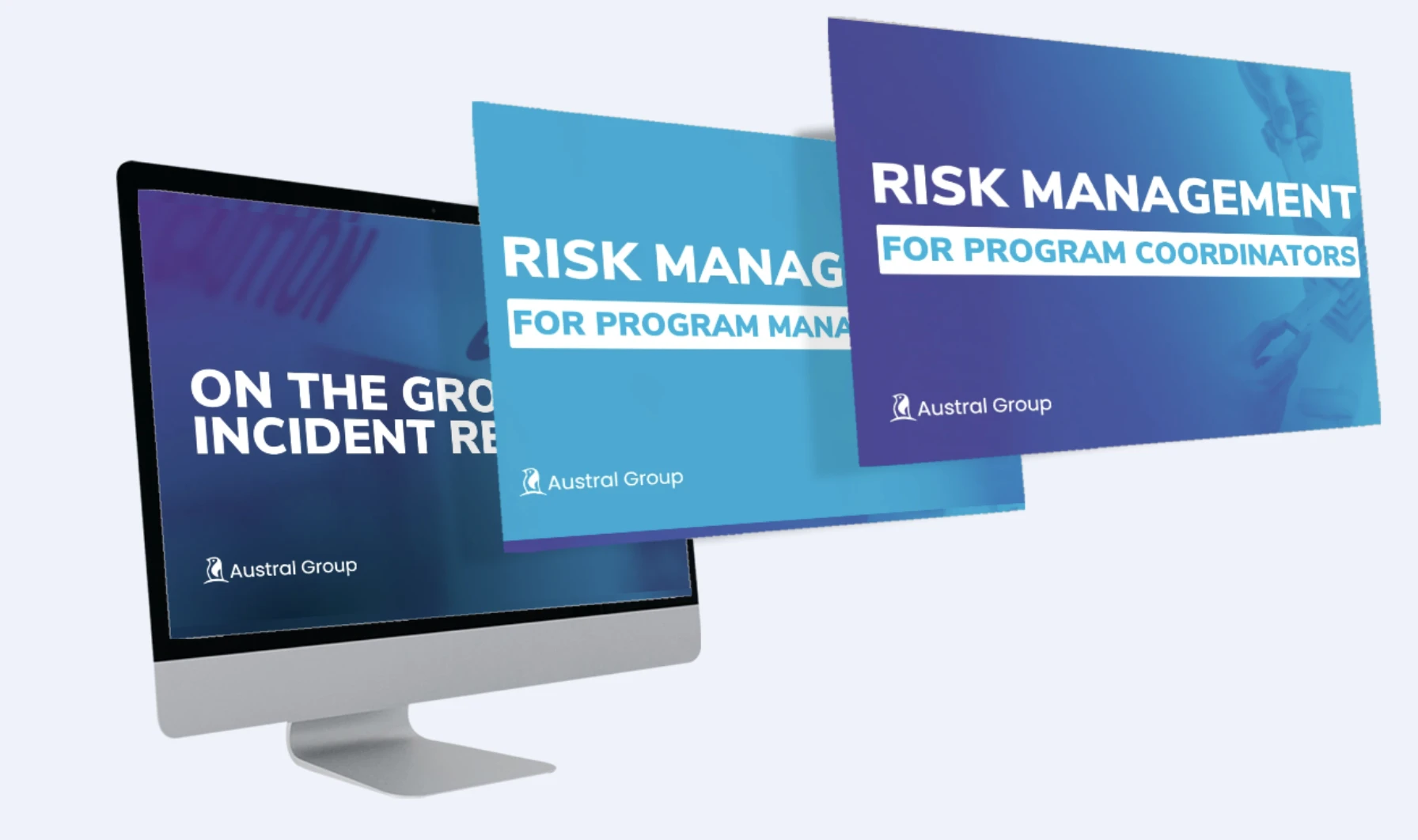
“We prioritize training local teams with our crisis response framework because they are on the ground and understand the culture and landscape better than anyone. This empowers them to respond swiftly and appropriately while keeping us informed so we can make real-time decisions if needed.”Monica said.Our top-tier training at Austral Group goes beyond basic protocols and includes scenario simulations, soft skills training, and clear communication frameworks. We have developed a robust LMS platform with training in many areas to maintain consistency in our clients’ experience across destinations and cultures. This ensures that local staff feel confident and supported to act decisively.
Preparing Students for the Experience
LBS ensures students are well-prepared before departure through pre-departure sessions and clear communication.
“We don’t spoon-feed students; instead, we encourage them to do their own research. We provide relevant readings, practical information on local laws and regulations, and facilitate discussions with faculty to help them reflect on cultural differences and safety considerations.”
Regarding insurance coverage, Robert outlined minimum and optimal requirements for students participating in global experiences.
“All participants should have a comprehensive travel insurance plan, which includes medical coverage, emergency evacuation, repatriation, trip cancellations, lost belongings, and personal liability.”
He also noted that coverage should extend to incidental holidays, meaning students should check if their policy covers extra travel before or after the program.
“Students should also ensure they have coverage for high-risk activities, such as winter sports or adventure excursions, especially if they plan independent travel beyond the structured program.”
LBS advises students to review their policies carefully and, if necessary, purchase supplementary insurance to cover individual needs, extended stays, and specific activities.
Key Takeaways for Risk Management in Global Programs
For organizations developing a risk management framework, Robert offers key insights:
"Start by defining your objectives. Understand why you are traveling and what risks might impact your goals."
"Build a comprehensive risk framework covering preparation, on-the-ground protocols, and post-course evaluations. Learn from past experiences and continuously refine your approach."
"Collaborate with trusted partners—risk management providers, insurance companies, and local experts—to strengthen your risk mitigation efforts."
"Engage with peer institutions. The education sector is open to sharing best practices and connecting with others can provide invaluable insights."
"Invest in training. Simulations and emergency response drills prepare faculty and staff, ensuring they know how to act if an issue arises."
With a structured and proactive approach to risk management, LBS ensures that global experiences continue to provide students with safe, enriching, and transformative learning opportunities. Preparation, adaptability, and collaboration with key partners such as Austral Group and our security assistance provider remain at the core of their success. As global risks evolve, so do the strategies to mitigate them, ensuring that international education remains a safe and rewarding endeavor for all participants.
Looking Ahead
Through her insights and leadership, Monica Villanueva exemplifies our dedication as a team to excellence in risk management. This careful balance of expertise and collaboration ensures our university partners and program participants can focus on what’s most important—learning, connecting, and growing.
Together, we continue to address challenges with adaptability and collaboration, ensuring every participant’s experience is enriching, safe, and efficient
Related articles
December 19, 2023
Global Business Ecosystems
Spain: A Thriving Business Destination with Promising Growth Opportunities
What comes to mind when we think of Spain? For many, it’s images from the vibrant streets of Madrid, sultry flamenco dancing, and savoring a glass or two of Rioja wine.
Singapore’s transformation of the agri-food industry
The urgency for a sustainable global food system has never been greater. With extreme weather conditions, supply disruptions, and other challenges, food production and availability are decreasing worldwide. All countries need to r
Why Portugal could be a great Destination for Your International Immersion Program
Choosing the right destination for your international immersion program can be challenging, with many options and key factors like curriculum fit, safety, budget, and weather to consider.
Defining and Assessing Potential Risks for Global Business Immersions
Imagine traveling to a foreign land for an academic or business immersion and then facing unexpected challenges. That’s where our team comes in knowing how to navigate through obstacles.
Exploring Dubai: A Unique Opportunity for Business School Academic Travel Programs
Dubai is a fascinating destination for travelers, business people, and learners alike. As a global business hub, Dubai boasts a cutting-edge landscape of modern skyscrapers, gleaming malls, and bustling souks.
Discover Asia’s Booming Economy: A Business School Trip of a Lifetime
Despite global uncertainty, Asia stands out. Its rapid integration and large population create a vast consumer market, offering future business leaders unique global insights.
ARGENTINIANS RESILIENCE: Lessons From Thriving Businesses in a Turbulent Economy
Latin America’s third-biggest economy has seen growing inflation for quite some time. The recent primary elections have been all over the news. But what does this mean?
Hotels for Study Abroad Programs: What We Consider and Why It Matters
From selecting flights to planning immersive experiences, each choice shapes the program’s outcomes and sets the tone for the participants’ learning and cultural experiences.



















%2010.27.46%E2%80%AFa.%C2%A0m.%201.png)



.svg)